
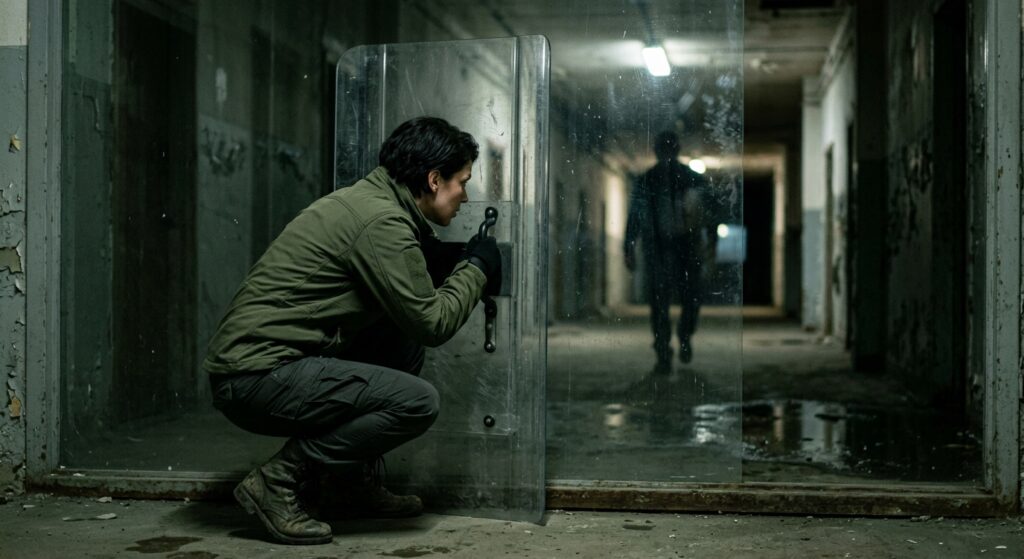
We all Deserve to feel safe with others.
The Mistrust/Abuse schema is a pattern where you expect others to hurt, lie to you, or take advantage of you. This post explains what this EMS is, how it shows up, and practical ways therapy can help you navigate relationships with more trust and safety.
What It Is the Mistrust EMS?
In schema therapy, early maladaptive schemas form when emotional needs weren’t met consistently—especially when safety wasn’t reliable.
With mistrust, the core belief often becomes:
“Other people are not safe.”
“Danger is likely.”
This can develop when someone experiences things like:
- betrayal by caregivers or trusted people
- intimidation, humiliation, or abuse
- emotional manipulation or gaslighting
- unpredictable harm or consequences
- not being believed when you shared your reality
Over time, your nervous system learns: watch for danger.
How It Shows Up in Adult Life
In adulthood, mistrust can look like:
- scanning tone, timing, and facial expressions 🔎
- expecting hidden motives
- difficulty relaxing even when things are going well
- emotional guarding or withdrawal
- testing the other person’s consistency
- questioning, overanalyzing, or confronting early
- feeling activated quickly when communication is unclear
Other Signs and manifestations
- Expecting that others will hurt or take advantage of you
- Guarded or suspicious way of interacting with people
- Interpreting neutral or kind acts as potential harm
- Difficulty trusting or testing others’ intentions
- Quick anger or withdrawal when you feel betrayed
- Reluctance to share personal information or vulnerability
And sometimes, mistrust can create conflict—because closeness can feel risky.
What It Feels Like
Emotionally, mistrust can feel like:
- tension in the body
- hyper-alertness
- fear under the surface 😟
- exhaustion from always staying on guard
You might think:
- “Why can’t I just trust?”
- “How do I know I’m not being played?”
Healing Through Schema Therapy
Schema therapy helps you build safe, realistic trust without forcing yourself into blind trust.
It often includes:
- noticing triggers (then vs now)
- understanding the protective mistrust part
- challenging “people are always unsafe” beliefs
- learning grounding skills when the threat response activates
- practicing boundaries that protect you while allowing connection
- rebuilding trust gradually through consistent experiences
Mistrust/Abuse reflects a core belief that people will harm, deceive, or exploit you. It often arises from past experiences of abuse or manipulation and can lead to guarded, suspicious interactions in adulthood.
How Mistrust/Abuse Affects Us This pattern can color how you read others’ actions, relationships, and even your own sense of safety. Common effects include hyper-vigilance, interpreting neutral actions as threatening, and difficulty trusting or forming close bonds.
Quick self-check
- Do you often expect others to hurt you, even when they don’t?
- Do you find it hard to trust without proof?
- Do you hold back personal information to avoid being vulnerable?
- Do you feel on guard in most relationships?
- Do you interpret others’ kind acts as potential threats?
How Schema Therapy Can Help
- Create a safe, structured space to revisit trust patterns
- Reframe beliefs about others’ intentions and safety
- Build healthier boundaries that protect without isolating
- Practice controlled exposure to trusted people and safety cues
- Develop coping skills for managing suspicion without spiraling into mistrust
Practical tips for daily life
- Grounding exercises when suspicion spikes (breathing, 4-7-8 technique)
- Establish clear, predictable boundaries in relationships
- Verify safety cues with trusted people before jumping to conclusions
- Practice small acts of vulnerability in safe settings to rebuild trust gradually
Mini case vignette A client with a history of betrayal learns to test new acquaintances in small, structured ways and uses a trusted friend as a safety anchor. Over several weeks, they notice fewer red-flag interpretations and more balanced trust.
Finding Hope and Healing Healing involves rebuilding trust step by step, in a way that preserves safety. Schema therapy provides a framework to challenge extreme vigilance and to cultivate reliable, positive connections.
Learn more through the next links
Conclusion / call to action If Mistrust/Abuse resonates, explore related posts to understand how EMS shape your relationships and what schema therapy can offer.